 Emergency: +94 117697900
  24/7 Emergency Services
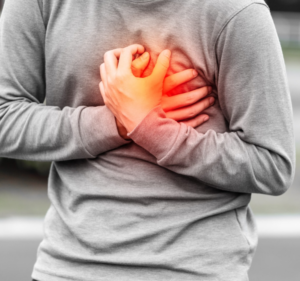
A heart attack is a medical emergency that occurs when blood flow to a part of the heart is blocked, preventing the heart muscle from receiving enough oxygen. Prompt medical treatment can reduce damage to the heart and save lives. Knowing the warning signs and acting quickly can make a critical difference.
Common Signs of a Heart Attack
Heart attack symptoms can vary from person to person. The most common warning signs include:
Chest pain or discomfort – A feeling of pressure, tightness, heaviness, squeezing, or pain in the center or left side of the chest that lasts for several minutes or comes and goes.
Pain spreading to other areas – Discomfort may radiate to the arm (especially the left arm), shoulder, neck, jaw, or back.
Shortness of breath – This may occur with or without chest discomfort.
Cold sweat – Sudden, unexplained sweating.
Nausea or vomiting – Some people, particularly women, may experience nausea or stomach discomfort.
Lightheadedness or dizziness – Feeling faint or unusually weak.
Unexplained fatigue – Severe or unusual tiredness, especially if it is sudden or accompanied by other symptoms.
What Should You Do?
If you think you or someone else is having a heart attack:
Call your local emergency medical service immediately. Do not wait to see if the symptoms improve.
Stay calm and sit or lie down while waiting for medical help.
Do not drive yourself to the hospital if an ambulance is available, as emergency medical teams can begin treatment on the way.
Follow the advice of emergency responders. If you have previously been prescribed medication for heart-related chest pain, use it exactly as directed by your doctor.
Can Heart Attacks Be Prevented?
Although not all heart attacks can be prevented, adopting a heart-healthy lifestyle can lower your risk:
Eat a balanced diet rich in fruits, vegetables, whole grains, and lean proteins.
Exercise regularly, as recommended by your doctor.
Maintain a healthy weight.
Avoid smoking and exposure to tobacco smoke.
Control blood pressure, cholesterol, and diabetes.
Manage stress and get adequate sleep.
Attend regular medical check-ups, especially if you have risk factors such as a family history of heart disease.
Take Heart Health Seriously
Never ignore symptoms that could indicate a heart attack. Seeking immediate medical attention can save heart muscle—and save lives. If you have concerns about your heart health or risk factors, speak with your doctor and schedule regular health check-ups.